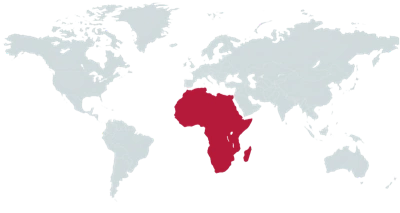
Fighting Poverty in Madagascar
FINCA helps Malagasy living in poverty access basic services to improve the quality of life for themselves and their families.
LIVE BELOW THE NATIONAL POVERTY LINE
*from 2021
WORK IN AGRICULTURE
*from 2025
OF THE POPULATION LIVES ON LESS THAN $3.00 PER DAY
*from 2021

Women are the key to success in the fight against poverty.
Facts about Madagascar
Madagascar was one of the last major habitable landmasses on earth to be settled by humans. Its economy is based on the cultivation of paddy rice, coffee, vanilla and cloves. Despite a wealth of natural resources and a tourism industry driven by its unique environment, the country remains one of the world’s poorest, and is heavily dependent on foreign aid. Since gaining independence from France in 1960, Madagascar has experienced repeated bouts of political instability, including coups, violent unrest and disputed elections.
Madagascar, along with much of sub-Saharan Africa, is on the verge of a crisis. By 2035, the International Monetary Fund estimates the number of Africans joining the working age population will exceed the rest of the world combined. To fill this surge, 18 million new jobs will have to be created each year for the next 20 years across sub-Saharan Africa. In the meantime, Malagasy rely on the informal sector for a chance to earn a living. In addition, access to basic services, like energy, water and sanitation, education, health care and agriculture, is often inadequate.
When poor people have access to financial services and life-enhancing products, they can earn more, build their assets, create jobs and cushion themselves against external shocks. FINCA is helping Malagasy improve their lives by supporting access to basic services through FINCA Ventures.
Products & Services
Energy
Contact
FINCA Ventures, 1201 15th St NW, 8th Floor, Washington, DC 20005
Featured stories from Madagascar
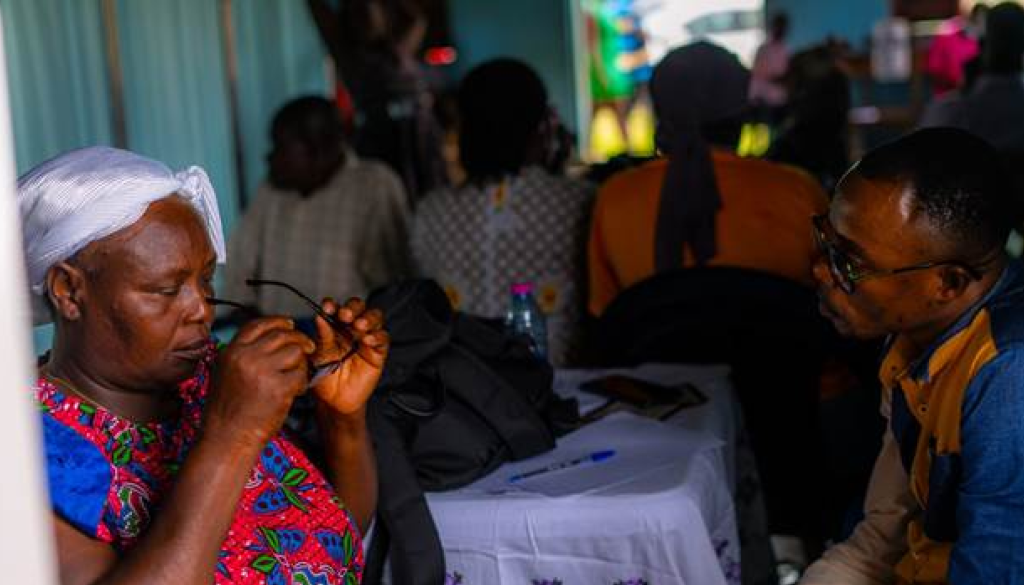
Bringing Healthcare Closer to Home for Rural Women and Families
FINCA investee Elucid is improving access to affordable life-saving services for farming communities across six countries.
Explore Our Global Impact
Click a country to learn more.
View as list
Armenia, Azerbaijan, Benin, Botswana, Burkina Faso, Cambodia, Cameroon, Côte d`Ivoire, DR Congo, Dominican Republic, Ethiopia, Gambia, Ghana, Jordan, Kenya, Kosovo, Kyrgyzstan, Liberia, Madagascar, Malawi, Mali, Mozambique, Myanmar, Namibia, Niger, Nigeria, Pakistan, Philippines, Rwanda, Senegal, Sierra Leone, Somalia, Tajikistan, Tanzania, Uganda, Zambia, Zimbabwe