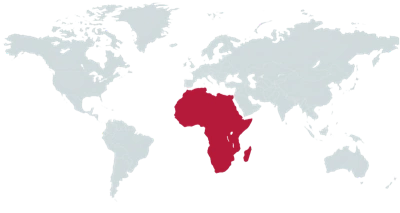
Fighting Poverty in Liberia
FINCA helps Liberians living in poverty access basic services to improve the quality of life for themselves and their families.
LIVE BELOW THE NATIONAL POVERTY LINE
*from 2016
WORK IN AGRICULTURE
*from 2025
OF THE POPULATION LIVES ON LESS THAN $3.00 PER DAY
*from 2016

Women are the key to success in the fight against poverty.
Facts about Liberia
Liberia is Africa’s oldest republic. Around 250,000 people were killed in Liberia’s civil war, and many thousands more fled the fighting. Big programs are under way to address the shortage of electricity and running water. Corruption is rife and unemployment and illiteracy are endemic.
Liberia, along with much of sub-Saharan Africa, is on the verge of a crisis. By 2035, the International Monetary Fund estimates the number of Africans joining the working age population will exceed the rest of the world combined. To fill this surge, 18 million new jobs will have to be created each year for the next 20 years across sub-Saharan Africa. In the meantime, Liberians rely on the informal sector for a chance to earn a living. In addition, access to basic services, like energy, water and sanitation, education, health care and agriculture, is often inadequate.
When poor people have access to financial services and life-enhancing products, they can earn more, build their assets, create jobs and cushion themselves against external shocks. FINCA is helping Liberians improve their lives by supporting access to basic services through FINCA Ventures.
Products & Services
Energy
Contact
FINCA Ventures, 1201 15th St NW, 8th Floor, Washington, DC 20005
Telephone: +1 (202) 682-1510
Featured stories from Liberia
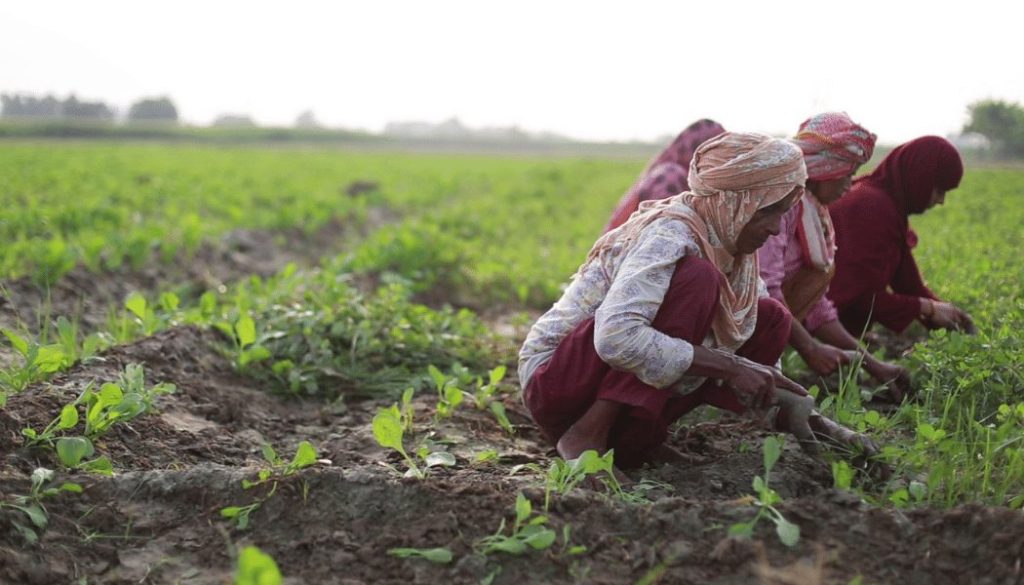
How FINCA Programs Advance Sustainable Development Goals
An overview of how FINCA’s work advances UN SDGs; climate change, ending poverty, reducing food security, and education.
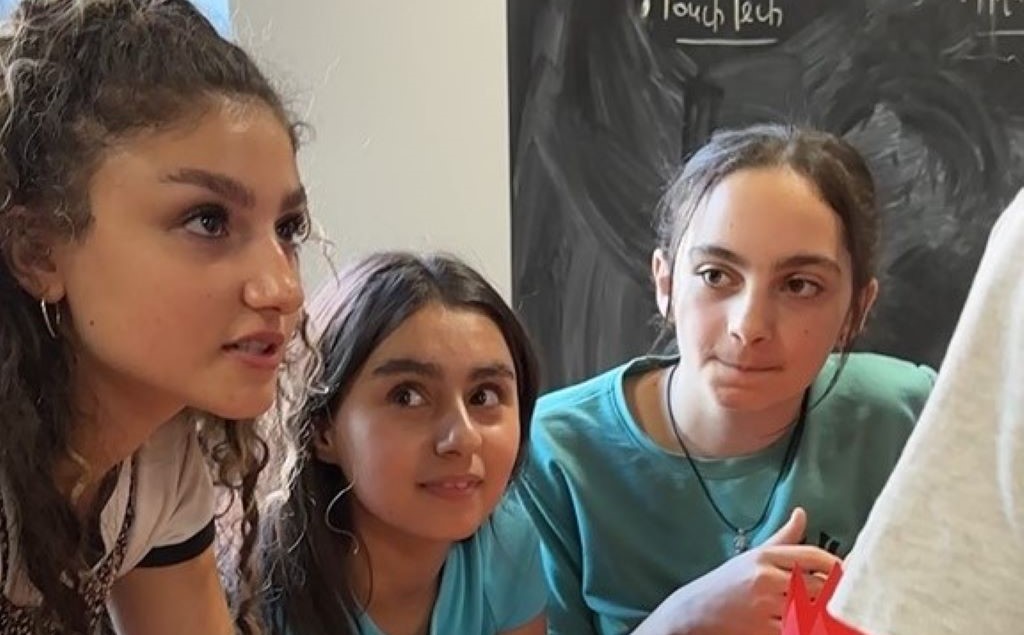
How Education Accelerates the Impact of Financial Inclusion
Education is a proven and powerful driver of upward social mobility. FINCA invests in financial education that empowers our customers to use their funds wisely and supports our customers in providing an education for their own children.
Read MoreExplore Our Global Impact
Click a country to learn more.
View as list
Armenia, Azerbaijan, Benin, Botswana, Burkina Faso, Cambodia, Cameroon, Côte d`Ivoire, DR Congo, Dominican Republic, Ethiopia, Gambia, Ghana, Jordan, Kenya, Kosovo, Kyrgyzstan, Liberia, Madagascar, Malawi, Mali, Mozambique, Myanmar, Namibia, Niger, Nigeria, Pakistan, Philippines, Rwanda, Senegal, Sierra Leone, Somalia, Tajikistan, Tanzania, Uganda, Zambia, Zimbabwe