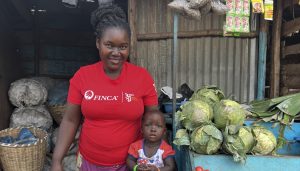
Social entrepreneurship is a term that is often talked about, yet rarely directly defined. The concept is characterized by using innovative business practices to address some of the world’s most urgent issues, creating what is otherwise known as “social impact.” By concentrating on socially-focused solutions—instead of solely profits—social entrepreneurship is reshaping industries and improving communities worldwide.
With the increasing prevalence of social and environmental challenges in the world today, social entrepreneurship is more necessary than ever. It is largely driven by a unique group of innovators who are motivated by purpose over profits and focus on building lasting change within their communities. They are known as social entrepreneurs.
What Is a Social Entrepreneur?
A social entrepreneur is someone who identifies a social, environmental, or cultural issue and uses sustainable business models to address it. Unlike traditional business entrepreneurs who focus on maximizing profits, social entrepreneurs prioritize creating solutions that provide tangible benefits to society. They are driven by a sense of purpose to address challenges like poverty, lack of education, or environmental sustainability.
At FINCA, we see social entrepreneurs as more than problem-solvers. Their ventures don’t just tackle pressing issues like poverty or lack of access to essential services; they also create jobs and stability that ripple through entire communities. That’s why we’re committed to supporting these innovators, whose impact stretches far beyond their own businesses.
The crucial role social entrepreneurs and their enterprises play in uplifting communities is exactly why FINCA invests in these visionary ideas. Three examples of social enterprises that FINCA has partnered with include:
Affinity Africa – Expanding Access to Savings and Credit
The Social Problem: In Ghana, traditional banks often exclude many people working in the informal economy—especially women.
The Innovative Solution: Affinity Africa challenges traditional banking practices by offering affordable and accessible digital banking services. This access to banking and savings isn’t just convenient; it’s life changing. It gives families the ability to plan for the future, respond to emergencies, and invest in opportunities that can break the cycle of poverty.

EA Fruits – Reducing Waste, Increasing Farmer Incomes
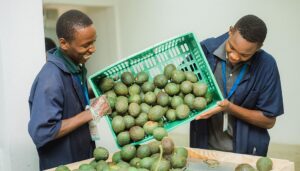
The Social Problem: In Tanzania, smallholder farmers can lose up to 40% of their crops after harvest. This is often due to a lack proper storage and transportation.
The Innovative Solution: EA Fruits developed a cold-chain logistics model that keeps produce fresh and gets it to market quickly. For farmers, this means higher earnings and less waste. For communities, it means stronger food security and a more resilient agricultural system.
Sanivation – Turning Waste into Clean Energy
The Social Problem: In Kenya, many people face a variety of social challenges. Two critical challenges include:
- Access to sanitation services, with many people using communal pit toilets that can be unsanitary and lack proper disposal to prevent contamination of other water sources.
- Access to energy, with many people living off the grid due to lack of electrification in rural and low-income areas.
The Innovative Solutions: Sanivation tackles the two critical problems of sanitation and energy at once. The social enterprise has developed a creative business model where they work with municipalities to safely collect human waste. They then perform a proprietary treatment process to transform the waste into what they call “biomass briquettes.” The processed briquettes are then sold to factories and industries to use as an alternative fuel source. Sanivation’s multifaceted approach reduces open defecation, improves public health, and provides an eco-friendly alternative to charcoal or wood fuel. This business model demonstrates how innovation can transform even the most basic human challenges into sustainable solutions.

Why Social Entrepreneurship Matters for Global Change
Social entrepreneurship goes beyond generating profits—it’s about creating lasting value for communities and the environment. As demonstrated by the examples above, social enterprises can transform access to savings, strengthen food security, turn waste into clean energy, and so much more. Each of these solutions is a reminder that business, when driven by purpose, can have an impact stretches far beyond balance sheets—laying the foundation for stronger communities and a more sustainable future.
At FINCA, we believe in the power of these entrepreneurs to lift entire communities. By backing their ideas and helping them grow, we’re not only investing in businesses—we’re investing in stronger families, more resilient communities, and a more sustainable future for all.